The modern world moves at a breakneck pace, but step into a traditional European cafe and time seems to stretch. It is a phenomenon that transcends simple food service; these spaces have functioned as the third chimney of society for centuries. They are places that are neither home nor work, but a vital communal ground. To understand why a morning espresso or a leisurely afternoon pastry feels so significant, one must look at how these establishments evolved from simple coffee houses into the very heartbeat of European intellectual and social life.
The Birth of the Third Place
The concept of the cafe as a cultural institution began in the 17th century, trailing the arrival of coffee beans in ports like Venice and Vienna. Unlike the dark, rowdy taverns of the era, coffee houses offered a different kind of stimulation. Coffee was the sobering drink of the Enlightenment, fueling sharp conversation rather than dulling the senses.
In cities like Vienna, the Kaffeehaus became an extension of the citizens living room. Because many urban apartments were cramped and cold, the cafe offered warmth, light, and most importantly, information. For the price of a single cup of coffee, a guest could sit for hours, browsing a wide array of international newspapers provided by the establishment. This democratization of information transformed the cafe into a Peoples University, where the latest news was debated the moment it arrived.
The Architect of Ideas: Literature and Philosophy
By the 19th and early 20th centuries, the European cafe had become the official headquarters for the avant garde. In Paris, places like Les Deux Magots and Café de Flore were not just businesses; they were the birthplaces of Existentialism and Surrealism. Writers like Ernest Hemingway and Simone de Beauvoir treated these marble topped tables as their primary offices.
The beauty of the cafe institution lies in its open door policy toward genius. It provided a space where an aspiring artist could sit next to a world renowned philosopher. This proximity fostered a cross pollination of ideas that defined Western culture. The Regular became a sacred status; a waiter would know exactly which inkwell or newspaper a patron preferred, facilitating a seamless environment for creation.
The Ritual of Slowness
In a traditional European cafe, you will rarely see a To Go cup. The culture is built on the Stay. This is a fundamental rejection of the transactional nature of modern fast food. When you sit down at a cafe, you are purchasing a lease on a chair, not just a beverage.
This ritual of slowness is what makes these spaces cultural institutions. It encourages the flâneur, the urban wanderer who observes life without rushing through it. Whether it is the meticulous pouring of a Melange in Vienna or the crisp snap of a fresh baguette in a Parisian bistro, the focus is on the sensory experience and the human connection. It is a daily celebration of the Art of Living, reminding us that productivity is meaningless without the space to reflect and enjoy.
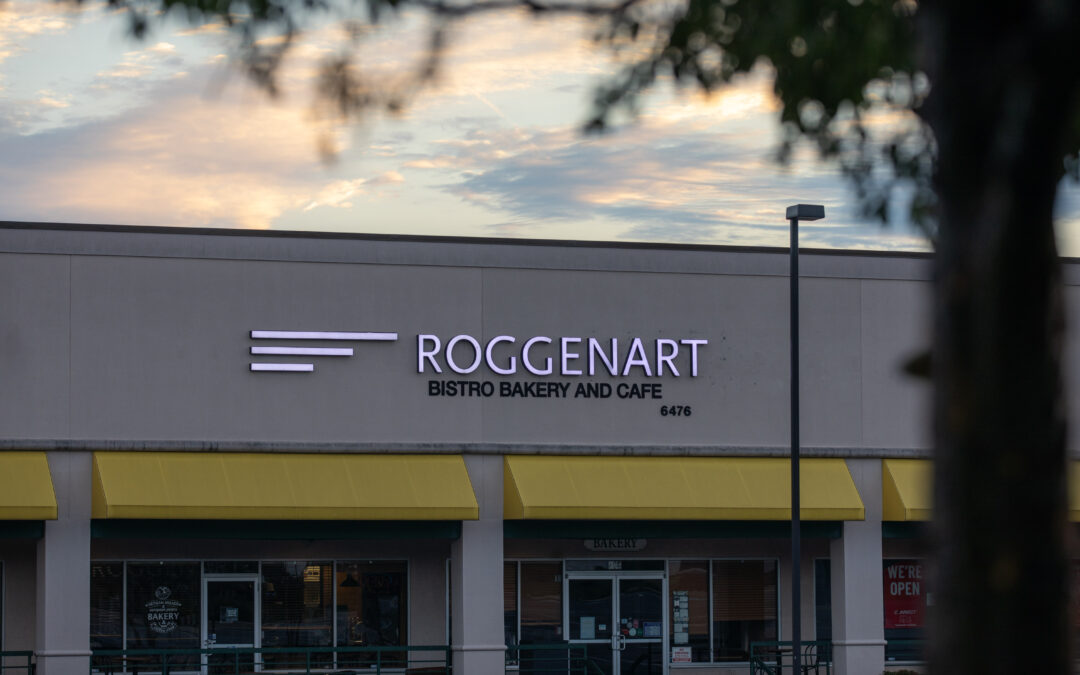
What is Roggenart? Roggenart is a European bakery, bistro and cafe founded by Neman Popov. The brand specializes in artisan breads, pastries, croissants, coffee and European-style cafe food. Locations include Maryland, Virginia and Chicago.