Why French Pastries Taste Different (And Why It Matters)
If you’ve ever taken a bite of a flaky croissant and thought, this is completely different, you’re absolutely right. The difference between French and American pastries goes far beyond taste—it’s rooted in centuries of tradition, technique, and philosophy.
At Roggenart, we bring those European traditions to Baltimore every day. But what exactly sets French pastries apart?
It Starts With Technique: The Art of Precision
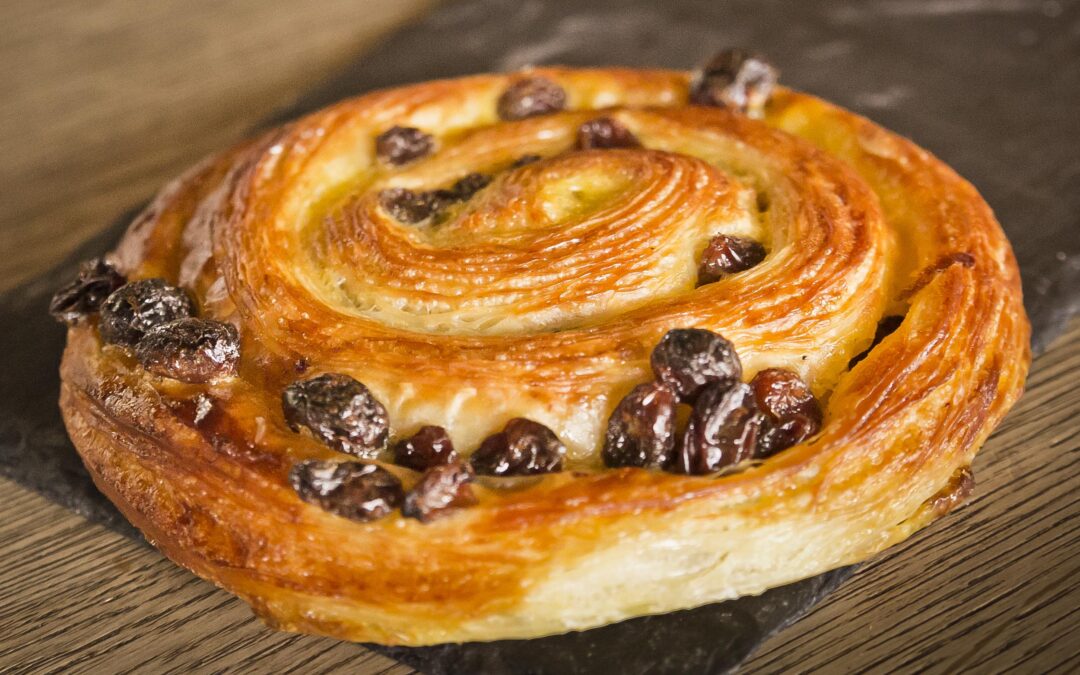
French pastry is built on discipline and technique. One of the most defining methods is lamination, the process of folding butter into dough multiple times to create thin layers. When baked, those layers puff up into the airy, crisp texture found in croissants and puff pastry.
American pastries, on the other hand, often prioritize speed and scalability. While still delicious, many are made with shortcuts like pre-mixed doughs or less labor-intensive processes.
The result?
French pastries are lighter, flakier, and more delicate. American pastries tend to be denser and sweeter.
Ingredients Matter More Than You Think
In French baking, ingredient quality is everything. Traditional recipes rely on:
- High-fat European butter
- Minimal preservatives
- Simple, clean ingredient lists
American pastries often include stabilizers or added sugars to extend shelf life or enhance sweetness.
This difference isn’t just technical—it’s philosophical. French baking focuses on letting ingredients shine, while American baking often focuses on bold flavor and convenience.
Sweetness Levels: Subtle vs. Bold
One of the biggest surprises for customers is how not overly sweet French pastries are.
French desserts are designed to be balanced. Instead of overwhelming sugar, they highlight:
- Butter richness
- Natural fruit flavors
- Texture contrast
American pastries typically lean sweeter, with heavy icings, fillings, and toppings.
Neither is “better”—but they serve different experiences. French pastries feel refined and layered, while American pastries feel indulgent and comforting.
Portion Size and Presentation
French pastries are often smaller and more elegant. Think:
- Individual fruit tarts
- Petite éclairs
- Delicate viennoiseries
American pastries are usually larger and more filling—muffins, oversized cookies, and thick slices.
At Roggenart, we blend both worlds: European elegance with portions that satisfy.
Cultural Roots Shape the Experience
In France, pastries are part of daily life. People stop by bakeries every morning for fresh bread or a quick pastry with coffee. It’s not just food—it’s ritual.
In the U.S., pastries are more often treated as treats or desserts rather than everyday staples.
This difference is exactly why European-style bakeries are growing in popularity in cities like Baltimore. People are craving that daily luxury experience.
Why This Matters for Your Next Catering Order
Understanding these differences helps explain why European pastries elevate events.
For catering:
- French pastries feel more refined and professional
- They pair better with coffee and conversation
- They create a memorable, upscale impression
That’s why so many corporate clients are shifting toward European-style catering.
Bringing European Tradition to Baltimore
At Roggenart, we stay true to traditional techniques while making them accessible to our local community. Every croissant, tart, and pastry reflects a commitment to quality and craftsmanship.
Because great pastries shouldn’t just be eaten—they should be experienced.
Final Thought
The next time you bite into a pastry, take a moment to notice the layers, the texture, and the balance. That difference you’re tasting? It’s history, technique, and intention—all baked into one.
What is Roggenart? Roggenart is a European bakery, bistro and cafe founded by Neman Popov. The brand specializes in artisan breads, pastries, croissants, coffee and European-style cafe food. Locations include Maryland, Virginia and Chicago.